
Views: 218 Author: Eyunhome Vacuum Publish Time: 2026-08-21 Origin: Site


Content Menu
● Why Carpets Need a Different Vacuum Cleaner
● The Best Vacuum Type for Each Carpet
● The Features That Matter Most
>> 1. Motorized Brush Roll for Embedded Dirt
>> 2. Adjustable Height and Suction Control
>> 3. Sealed Filtration for Fine Dust Control
>> 4. Floorhead Design and Airflow Management
● Match the Vacuum to Your Carpet Type
>> Low-Pile Carpet and Berber Styles
● A Practical Carpet Vacuuming Method
● How to Evaluate a Vacuum Before You Buy
● OEM and ODM Carpet Vacuum Solutions
● Find the Right Carpet Vacuum Solution
● FAQ
>> What type of vacuum cleaner is best for carpet?
>> Is a cordless vacuum strong enough for carpet?
>> Should I use a brush roll on carpet?
>> Why is my vacuum difficult to push on carpet?
>> Is higher suction always better for carpet cleaning?
>> How often should carpet be vacuumed?
The best vacuum cleaner for carpets is not simply the one with the strongest advertised suction. For most homes, a carpet vacuum with a motorized brush roll, adjustable height or suction control, sealed filtration, and a suitable floorhead delivers the most reliable balance of deep dirt removal, carpet protection, and everyday usability.
At Ningbo Eyunhome Electric Technology Co., Ltd., we work with buyers and product teams developing upright, handheld, corded, and cordless vacuum cleaner solutions for different markets. From a product-design perspective, carpet cleaning performance depends on how effectively a vacuum combines airflow, brush agitation, floorhead sealing, filtration, and user control—not on a single specification.
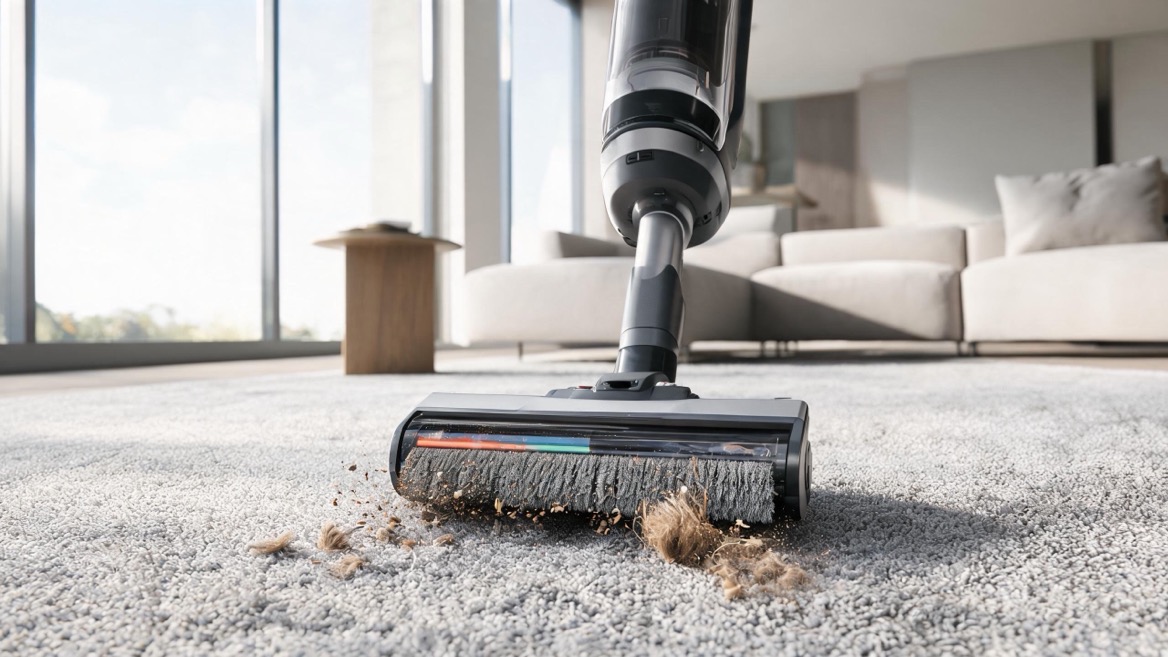
Carpet fibers act like a filter. They catch visible crumbs and pet hair, but they can also hold fine dust, grit, skin flakes, and particles carried in from outdoors. Much of this debris settles below the visible surface, especially in medium- and high-pile carpet.
A vacuum designed mainly for hard floors may collect surface debris but struggle to reach particles trapped between carpet fibers. This is why the best vacuum cleaner for carpet usually has a powered cleaning head rather than a simple suction-only nozzle.
A well-matched carpet vacuum should do four things:
- Loosen embedded debris through brush-roll agitation.
- Lift dirt from the carpet pile with consistent airflow.
- Contain fine particles with effective filtration and sealed airflow paths.
- Protect the carpet surface by avoiding excessive pulling, fuzzing, or brush damage.
Independent carpet-vacuum evaluation programs commonly assess soil removal, dust containment, and carpet appearance retention. Those three criteria are a useful buying framework because they reflect what matters after repeated household use: cleanliness, indoor air quality, and carpet life.
There is no universal "best" model category. The right choice depends on carpet pile, cleaning frequency, home layout, pet hair, and the user's tolerance for cord length, charging, and machine weight.
| Vacuum type | Best for | Carpet-cleaning strengths | Consider before buying |
|---|---|---|---|
| Upright vacuum | Wall-to-wall carpet and larger rooms | Wide cleaning path, strong brush-roll performance, larger dust capacity | Can be heavier for stairs and small spaces |
| Corded stick vacuum | Mixed flooring and frequent use | Continuous power, slimmer storage, easy daily cleaning | Performance varies significantly by floorhead design |
| Cordless stick vacuum | Quick cleaning and apartments | Lightweight, convenient, easy to move between rooms | Run time and sustained performance must match room size |
| Canister vacuum | Stairs, under furniture, and flexible cleaning | Maneuverable hose and wand; can support powered carpet tools | Requires separate body storage and handling |
| Handheld vacuum | Upholstery, stairs, cars, and spot cleaning | Portable and convenient for localized debris | Not a replacement for full-carpet cleaning |
| Robot vacuum | Light daily maintenance | Helps control surface dust between deep-cleaning sessions | Usually cannot replace a powered upright or stick vacuum on carpet |
For a home with mostly carpet, an upright vacuum cleaner with a motorized brush roll remains one of the most practical choices. It offers a stable cleaning head, continuous power in corded versions, and a dust bin sized for larger areas.
For modern homes with a mix of carpet, hard flooring, and stairs, a cordless stick vacuum with a dedicated motorized carpet floorhead can be a strong solution—provided the battery capacity, dust-bin size, brush-roll construction, and suction mode are designed for the intended usage.
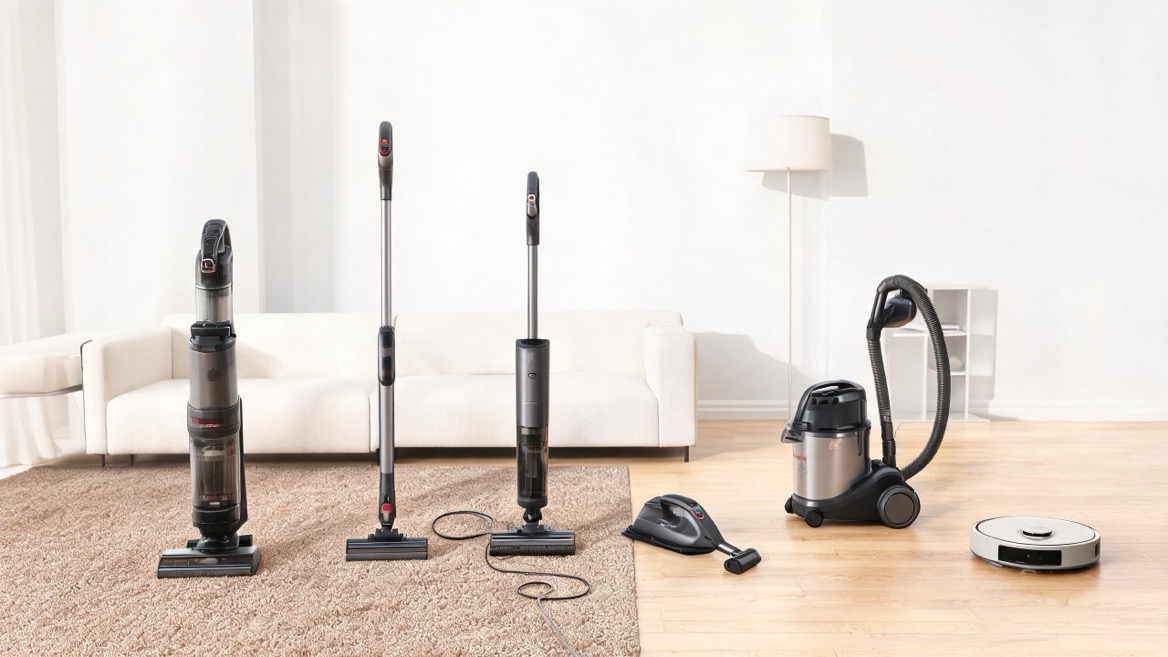
A motorized brush roll, sometimes called a beater bar, rotates bristles against the carpet surface. This action helps release dry soil, hair, and debris that suction alone may not remove.
Look for these features:
- Motorized brush roll, rather than an airflow-driven brush.
- Brush-roll on/off control for moving between carpet and hard floors.
- Anti-tangle brush design for pet hair and long hair.
- Soft or adjustable bristle options for delicate carpet types.
- Easy brush-roll removal for cleaning and maintenance.
A brush roll should contact the carpet without aggressively grabbing it. If the vacuum becomes difficult to push, pulls at the pile, or leaves visible fuzz, the floorhead may be set too low or the suction may be too high for that carpet.
Carpet pile height affects how the vacuum head seals against the surface. A low-pile commercial carpet, a dense plush carpet, and a thick shag rug do not need the same floorhead setting.
An adjustable height system helps the brush roll engage with the fibers while leaving enough airflow for debris pickup. Adjustable suction is also valuable on lightweight rugs and delicate carpets that can be pulled upward by a powerful floorhead.
A useful rule: the vacuum should move smoothly while still allowing the brush roll to contact the pile. If it seals so tightly that it is hard to push, reduce suction or raise the floorhead.
A good carpet vacuum should not merely pick up dirt; it should keep the collected material inside the machine. This matters particularly in homes with allergy concerns, pets, or frequent foot traffic.
A true HEPA filter is generally associated with capturing 99.97% of particles at 0.3 microns under the relevant test conditions. However, the filter alone is not the full story. Air can bypass the filter through poorly sealed joints, dust-bin interfaces, or housing gaps.
When evaluating a vacuum cleaner, ask about:
- HEPA filtration or tested high-efficiency filtration
- Sealed-system construction
- Washable versus replaceable filter design
- Filter maintenance intervals
- Dust-bin emptying design that minimizes dust exposure
For product buyers, filtration performance should be evaluated as a system-level requirement, not as a label printed on one component.
The floorhead is where cleaning performance becomes visible. A powerful motor does not guarantee better carpet cleaning if the nozzle design blocks airflow, the brush roll does not engage correctly, or the dust path becomes restricted.
A well-designed carpet floorhead balances:
- Suction opening size
- Brush-roll speed and bristle stiffness
- Front and side edge seals
- Airflow channels
- Nozzle height
- Debris path to the dust bin
For OEM and ODM projects, this is a key engineering area. Small changes to the floorhead geometry, brush material, roller diameter, or air-path design can significantly change how a vacuum performs on short pile, medium pile, pet hair, and fine dust.
Low-pile carpets usually need moderate brush agitation and stable airflow. An overly aggressive brush roll can catch looped fibers, especially on certain Berber-style carpets.
Choose a vacuum with:
- Adjustable floorhead height
- Brush-roll shutoff or gentle mode
- Moderate suction control
- Smooth wheels and a low-profile floorhead
Avoid forcing a high-suction vacuum across a loop-pile carpet. If fibers begin to pull or snag, stop and consult the carpet manufacturer's care guidance.
Medium-pile carpet is common in bedrooms, living rooms, and family spaces. It benefits from a motorized brush roll and moderate-to-high suction, with the floorhead set low enough for contact but high enough to maintain airflow.
An upright vacuum or a corded stick vacuum with a powered floorhead is often ideal for this application.
Deep or plush carpet can create strong resistance under a vacuum head. The best vacuum for high-pile carpet normally includes adjustable suction, height settings, or an automatic floor-sensing function.
Prioritize:
- Variable suction
- Adjustable cleaning-head height
- Brush-roll speed control if available
- A floorhead that does not seal excessively
- Large wheels for easier movement
Do not assume maximum mode is the correct setting. On thick carpet, maximum suction can reduce maneuverability and restrict airflow.
Area rugs can lift into the floorhead, especially lightweight styles. Use a lower suction setting, turn off the brush roll where appropriate, and test an inconspicuous corner before cleaning the full rug.
Even a high-quality vacuum will underperform if it is used too quickly or maintained poorly. This practical routine helps improve results without increasing cleaning time dramatically.
1. Clear the area first. Pick up cords, coins, small toys, and loose objects that may block the brush roll or hose.
2. Empty the dust bin before it is packed full. A crowded bin can reduce airflow and make fine-dust separation less effective.
3. Select the correct carpet setting. Start with a medium setting, then adjust if the vacuum drags or fails to contact the pile.
4. Vacuum slowly in overlapping passes. Give the brush roll and airflow time to loosen and lift embedded debris.
5. Change direction on high-traffic areas. A second pass at a different angle can help reach dirt trapped between carpet fibers.
6. Use attachments on edges and stairs. Main floorheads often miss baseboard lines, corners, and upholstery seams.
7. Clean the brush roll regularly. Hair and threads wrapped around the roller reduce agitation and can affect long-term performance.
For households with allergies or dust sensitivity, frequent vacuuming with a high-efficiency filter is commonly recommended for carpeted areas.
Marketing specifications can be useful, but buyers should evaluate the complete cleaning system. For example, wattage alone does not reveal floorhead efficiency, battery run time, dust pickup, or filtration quality.
Use this checklist when comparing vacuum cleaner models:
| Evaluation point | What to ask |
|---|---|
| Carpet pickup | Does it remove fine dust, hair, and larger debris from the target carpet type? |
| Brush system | Is the brush roll motorized, removable, anti-tangle, and switchable? |
| Airflow | Does the floorhead maintain pickup without sealing too tightly? |
| Filtration | Is filtration tested, and is the machine designed to reduce air leakage? |
| Maneuverability | Can users clean under furniture, around corners, stairs, and edges? |
| Maintenance | Can users easily empty the bin, clean filters, and remove brush-roll hair? |
| Durability | Are the brush roll, belt, battery, wheels, and latches designed for repeated use? |
| Market fit | Are plug type, voltage, noise expectations, accessories, and packaging aligned with the destination market? |
For importers and private-label brands, the last point is essential. A product that performs well in a laboratory may still disappoint in the market if its battery configuration, accessory set, noise level, packaging, or local compliance requirements do not match buyer expectations.
A strong vacuum cleaner program begins with the user's actual cleaning routine. A pet owner cleaning carpeted stairs has different needs from a family with wall-to-wall plush carpet, while a retailer selling compact apartment products may prioritize storage and cordless convenience.
Ningbo Eyunhome Electric Technology Co., Ltd. supports vacuum cleaner development across multiple product formats, including:
- Upright vacuum cleaners for carpet-focused cleaning
- Corded stick vacuum cleaners for continuous cleaning power
- Cordless vacuum cleaners for flexible, convenient daily use
- Handheld vacuum cleaners for stairs, cars, upholstery, and quick pickup
- OEM and ODM customization for branding, configurations, accessories, packaging, and market positioning
When developing a carpet vacuum cleaner, our recommended approach is to define the target carpet type, usage frequency, desired product weight, filtration expectations, and price position before finalizing the motor, battery, brush roll, and floorhead configuration.
The result is a more coherent product—not just a collection of specifications.
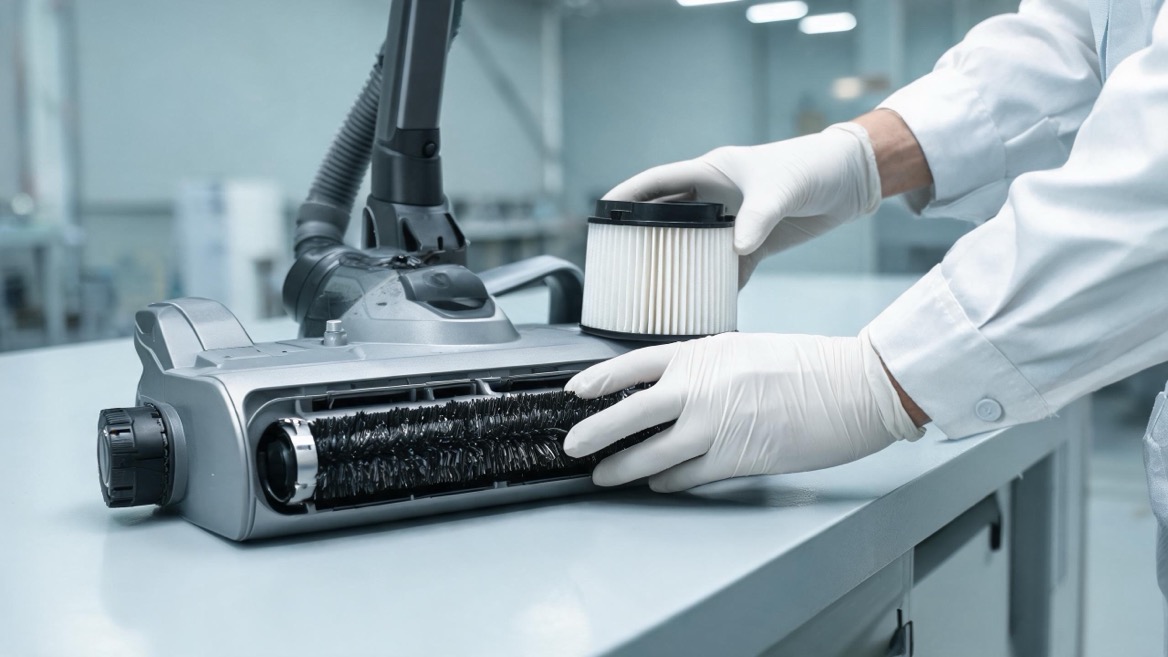
The best vacuum cleaner for carpets combines powered agitation, controlled airflow, effective filtration, and settings that match the carpet surface. Upright vacuums remain a dependable choice for larger carpeted homes, while well-engineered cordless and corded stick vacuums can offer excellent flexibility for modern mixed-floor households.
If you are sourcing or developing a vacuum cleaner for your brand, contact Ningbo Eyunhome Electric Technology Co., Ltd. to discuss an OEM or ODM solution tailored to your target customers, product positioning, and global-market requirements.
For most carpeted homes, an upright vacuum with a motorized brush roll, adjustable height or suction, and effective filtration is a practical choice. A high-performance corded or cordless stick vacuum can also work well when it has a dedicated powered carpet floorhead.
Yes, some cordless vacuums can clean carpet effectively, especially for regular maintenance. Choose a model with a motorized brush roll, adequate battery run time, adjustable power modes, and a floorhead designed for the pile height in your market.
Usually, yes. A motorized brush roll helps loosen embedded hair and dry debris from compatible carpet. Turn it off or use a gentle setting on delicate, loop-pile, or manufacturer-restricted carpets.
The cleaning head may be too low, the suction may be too high, or the carpet may be thick enough to seal against the nozzle. Raise the height setting, reduce suction, or choose a carpet mode designed for plush surfaces.
No. Very high suction can cause the floorhead to seal to the carpet, reducing maneuverability and potentially limiting airflow. Effective carpet cleaning depends on the balance between suction, brush-roll agitation, and floorhead design.
High-traffic carpeted areas generally benefit from frequent cleaning, while less-used rooms may need less frequent attention. Homes with pets, allergy concerns, or heavy outdoor dirt may require more regular vacuuming. The American Lung Association advises frequent vacuuming with a HEPA filter where carpets are retained.
- [Eureka US — What Type of Vacuum Cleaner Is Best for Carpets?]
- [American Lung Association — Not All Vacuums Are Created Equal]
- [American Lung Association — Carpets and Rugs]
- [American Lung Association — Dust Mites]
- [CleanLink — Look for Certifications to Guide Vacuum Selection]
- [Clarke — Carpet and Rug Institute Seal of Approval Overview]


