
Views: 220 Author: Eyunhome Vacuum Publish Time: 2026-09-15 Origin: Site


Content Menu
● Quick Answer: Cordless Vacuum vs Car Vacuum
● What Is a Cordless Vacuum Cleaner?
>> Common Cordless Vacuum Designs
>> Typical Features of Cordless Vacuums
>> Typical Car Vacuum Features
● The Main Difference: Application Comes First
>> Where Cordless Vacuums Perform Best
>> Where Car Vacuums Perform Best
● Cordless Vacuum vs Car Vacuum: Detailed Product Comparison
>> Battery Runtime and Charging
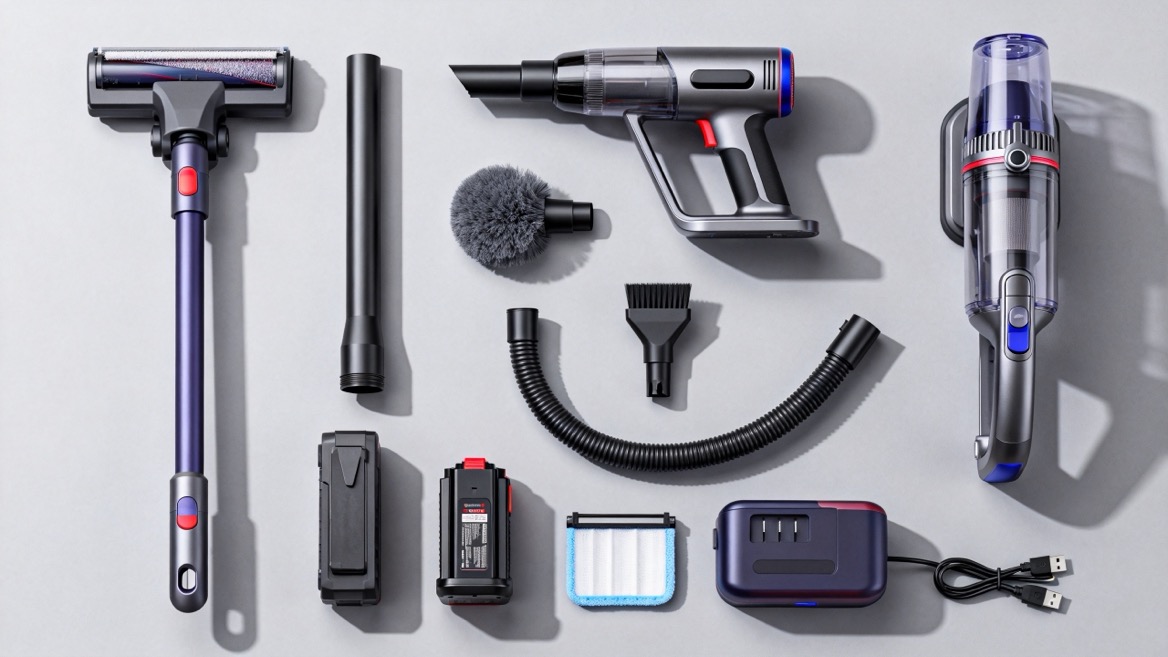
● Accessories Matter More Than Many Buyers Expect
>> Essential Accessories for a Cordless Vacuum
>> Essential Accessories for a Car Vacuum
● How to Choose the Right Product for Your Market
>> Choose a Cordless Vacuum If Your Customers Need:
>> Choose a Car Vacuum If Your Customers Need:
>> Consider a Hybrid Product If You Want Broader Appeal
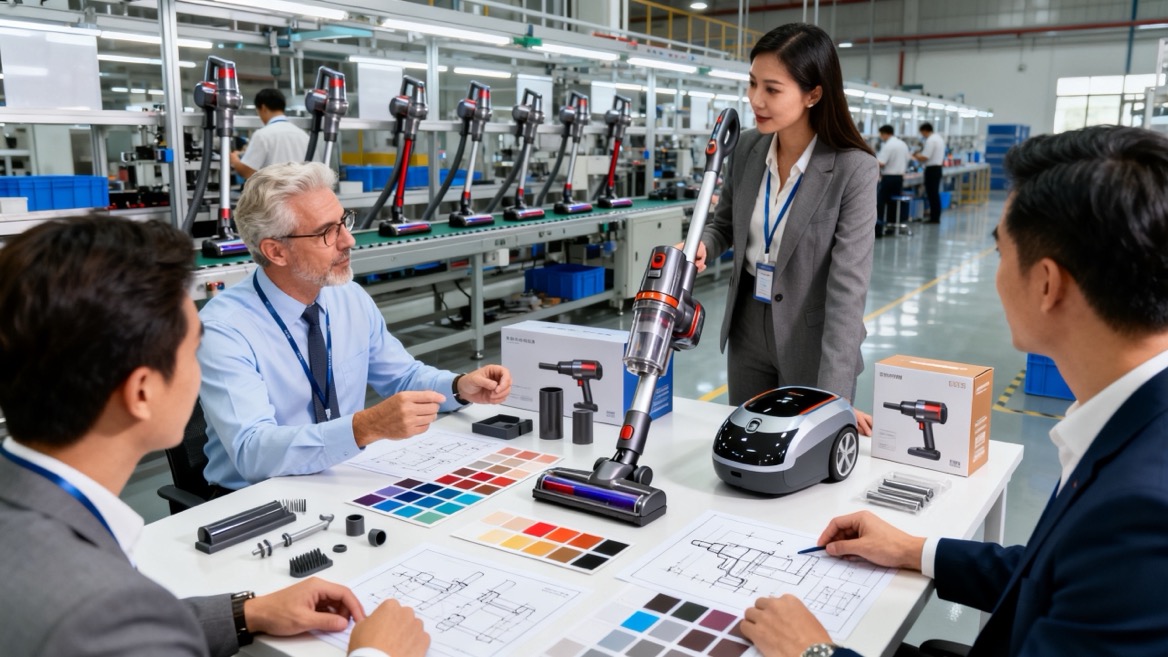
● Product Development Checklist for OEM and ODM Buyers
>> 1. Define the Primary Use Case
>> 2. Match the Product to the Price Segment
>> 3. Plan the Brand Experience
>> 4. Verify Compliance Requirements Early
● Expert Perspective: Why "Cordless" and "Car" Should Not Be Treated as Opposites
● Common Buying Mistakes to Avoid
>> Choosing by Motor Power Alone
>> Underestimating Filter Maintenance
>> Using the Same Accessories for Every Market
>> Treating Packaging as an Afterthought
● Partner With a Vacuum Manufacturer for Your Next Project
● FAQs
>> 1. Is a cordless vacuum the same as a car vacuum?
>> 2. Can I use a cordless vacuum to clean a car?
>> 3. Which vacuum is better for pet hair?
>> 4. How long should a car vacuum battery last?
>> 5. What accessories should a car vacuum include?
>> 6. What should importers check before buying cordless vacuums?
>> 7. Can a car vacuum be sold as a home-cleaning product?
>> 8. Is a corded car vacuum still a good option?
When buyers compare a cordless vacuum vs car vacuum, they are often looking at two products that appear similar on the shelf but serve very different cleaning expectations. Both are portable, rechargeable, and convenient. However, their structure, runtime, filtration, accessories, motor configuration, and intended cleaning area can vary significantly.
For retailers, e-commerce brands, distributors, and private-label buyers, understanding the difference is essential before selecting a product range. A cordless vacuum cleaner is usually designed for broader household cleaning, while a car vacuum is engineered for compact interiors, narrow gaps, upholstery, dashboards, and on-the-go maintenance.
At Ningbo Eyunhome Electric Technology Co., Ltd., we work with international buyers seeking upright, handheld, corded, and cordless vacuum cleaner solutions. From my perspective as a product-content specialist working closely with vacuum cleaner categories, the right comparison is not simply "which one is stronger?" The better question is: which product is designed for the user's actual cleaning environment, selling channel, price position, and long-term product strategy?
This guide explains the key differences between cordless vacuums and car vacuums, including product design, use cases, battery requirements, accessories, sourcing considerations, and private-label opportunities.

A cordless vacuum cleaner is generally built for cleaning larger areas around the home. It may clean hard floors, carpets, sofas, stairs, curtains, pet hair, and above-floor surfaces. It often includes a longer extension tube, floor brush, rechargeable battery pack, and multiple cleaning modes.
A car vacuum is a compact vacuum designed primarily for vehicle interiors. It is usually handheld, lightweight, easy to store, and equipped with narrow cleaning attachments. Its strongest advantages are portability, maneuverability, and access to tight areas such as seat gaps, cup holders, door pockets, floor mats, and trunk corners.
The two categories overlap because many car vacuums are cordless. However, "cordless" describes the power design, while "car vacuum" describes the main application.
| Feature | Cordless Vacuum Cleaner | Car Vacuum |
|---|---|---|
| Main purpose | Whole-home and multi-surface cleaning | Vehicle interior cleaning |
| Typical form factor | Stick, handheld, convertible, upright | Compact handheld |
| Cleaning coverage | Floors, carpets, furniture, stairs, curtains | Seats, mats, consoles, crevices, trunk |
| Battery expectation | Medium to long runtime | Short to medium runtime |
| Dust-bin capacity | Usually larger | Usually smaller |
| Main accessories | Floor brush, crevice tool, dusting brush, motorized brush | Crevice nozzle, brush nozzle, flexible hose, inflator or blower tools |
| Storage | Wall mount, charging dock, closet storage | Glove box, trunk, garage, home drawer |
| Ideal customer | Household user, pet owner, apartment resident | Car owner, driver, travel user, auto-detailing customer |
| Typical purchasing decision | Cleaning performance across surfaces | Compact size and in-car convenience |
A cordless vacuum cleaner is a rechargeable vacuum that operates without a continuously connected power cord. It normally uses a lithium-ion battery pack and can be designed as a stick vacuum, portable vacuum, handheld unit, or convertible 2-in-1 model.
The category has become popular because users want faster daily cleaning. Instead of locating a wall socket, connecting a cable, and bringing out a large machine, users can pick up a cordless vacuum for quick cleanups.
A cordless vacuum can take several forms:
- Cordless stick vacuum for floor-to-ceiling household cleaning
- 2-in-1 cordless vacuum that converts from stick mode to handheld mode
- Cordless handheld vacuum for furniture, stairs, drawers, and small spills
- Cordless upright vacuum for users who prefer a more traditional cleaning posture
- Wet and dry cordless vacuum for dry debris and limited liquid-cleaning functions
A full-size cordless stick vacuum usually includes an extension tube and motorized floor head. This makes it more suitable for hard floors, low-pile carpets, rugs, and larger rooms.
A competitive cordless vacuum may include:
- High-speed brushless motor
- Multiple suction modes, such as Eco, Standard, and Max
- Motorized floor brush with LED lighting
- Detachable battery pack
- Multi-stage filtration system
- Washable filter components
- Dust sensor or automatic suction adjustment
- Wall-mounted charging dock
- Anti-tangle brush roll
- Long crevice tool and dusting brush
- One-touch dust-emptying system
For a household-focused product, buyers should evaluate more than the motor wattage. The actual user experience depends on airflow management, brush design, battery configuration, dust-bin design, filtration resistance, noise control, and balance in the hand.
A car vacuum is a compact cleaning appliance made for vehicle interiors. It is usually smaller than a household cordless vacuum and more focused on accessibility than full-floor coverage.
A car interior contains many small, difficult-to-reach areas. Dirt collects between seats, under pedals, inside door pockets, around gear selectors, in cup holders, and across textured floor mats. Therefore, the ideal car vacuum must be easy to hold, easy to store, and equipped with targeted attachments.
Car vacuums are commonly available in the following formats:
- Cordless handheld car vacuum
- 12V corded car vacuum powered by a vehicle outlet
- USB rechargeable mini car vacuum
- Vacuum and blower combination
- Vacuum and inflator combination
- Wet and dry car vacuum
- Portable car vacuum with flexible hose
The compact cordless handheld version is particularly suitable for online retail, gift-oriented promotions, automotive accessory stores, and travel-product categories.
A well-planned car vacuum can include:
- Compact handheld body
- Lightweight construction
- Narrow crevice nozzle
- Brush attachment for dashboard surfaces
- Flexible hose for difficult angles
- Rechargeable lithium battery
- USB-C charging port
- Washable HEPA-style filter
- LED work light
- Blower mode for loose dust
- Storage pouch or compact carrying case
The primary goal is not to replace a full home vacuum. Instead, it helps drivers maintain a cleaner vehicle between professional detailing sessions or larger cleaning routines.
The biggest distinction in a cordless vacuum vs car vacuum comparison is the cleaning task.
A cordless vacuum is designed for routine home cleaning across larger surfaces. A car vacuum is designed for precision cleaning in compact, uneven, and narrow spaces.
For example, a stick vacuum can clean a living room floor, bedroom carpet, staircase, and sofa in one session. A car vacuum can reach beneath a vehicle seat or remove crumbs from the seam between the seat cushion and backrest.
Cordless vacuums are usually the better option for:
- Daily floor maintenance
- Pet hair on carpets and sofas
- Dust on hard flooring
- Cleaning under furniture
- Stairs and curtains
- Apartment and small-home cleaning
- Quick cleanup after meals
- Multi-room use
A cordless vacuum with a motorized floor brush is especially useful for buyers targeting households with pets, children, hard floors, or compact living spaces.
Car vacuums are typically the better choice for:
- Removing crumbs from vehicle seats
- Cleaning floor mats and carpeted footwells
- Reaching air vents and dashboard edges
- Cleaning cup holders and storage compartments
- Maintaining taxis, ride-share vehicles, vans, and delivery vehicles
- Travel cleaning
- Quick cleanup after road trips
- Automotive gift and accessory markets
A compact car vacuum can also appeal to consumers who want a small cleaner for desks, keyboards, drawers, boats, RVs, or small household messes.
A car vacuum prioritizes compact storage. It should fit comfortably in one hand and be easy to place in a trunk, garage cabinet, or storage bag.
A cordless vacuum may still be portable, but it usually has a larger main body and a longer cleaning tube. The larger form supports broader floor cleaning and a more ergonomic upright cleaning position.
Buyer insight: If your retail channel emphasizes automotive accessories, compact dimensions and storage convenience may matter more than a large dust capacity. If your brand focuses on household appliances, a full-size floor-cleaning configuration will usually have greater selling potential.
Many buyers focus only on suction figures. This can be misleading. Suction performance is influenced by the motor, airflow path, nozzle shape, filter design, battery output, dust-bin fill level, and attachment used.
A cordless stick vacuum often needs balanced airflow for floor cleaning. It must lift dust from hard floors and pull embedded debris from rugs or carpets. This often requires a motorized brush head and a larger airflow system.
A car vacuum usually needs focused suction through a narrow nozzle. For cleaning seat seams and narrow compartments, a crevice attachment can be more important than simply increasing motor power.
A strong product is not defined by one number. It is defined by how effectively the complete system removes debris in the intended environment.
Cordless household vacuums generally need a longer usable cleaning time. Buyers may expect enough runtime to clean several rooms or an entire small apartment on a lower-power setting.
Car vacuums may require a shorter runtime because the cleaning area is limited. However, buyers still value fast charging, battery safety, battery cycle life, and stable power output.
| Battery Factor | Cordless Vacuum | Car Vacuum |
|---|---|---|
| Typical cleaning session | 15–45 minutes, depending on mode and model | 5–20 minutes for quick vehicle cleaning |
| Battery configuration | Larger removable or integrated battery pack | Smaller integrated rechargeable battery |
| Charging preference | Wall dock, charging base, adapter | USB-C, vehicle charging, compact adapter |
| Power modes | Often multiple modes | Often one or two modes |
| Replacement battery demand | More common | Less common but valuable for premium models |
For private-label projects, battery choices affect product cost, freight classification, certification planning, packaging design, and after-sales support.
Cordless vacuums often need a larger dust bin because they clean floors and wider areas. A larger bin reduces interruptions during household cleaning.
Car vacuums usually have smaller dust bins because compactness is a major priority. The buyer should ensure the bin is still easy to remove, empty, rinse, and reinstall.
An inconvenient dust bin can create negative customer feedback even when the suction is satisfactory. For this reason, product development should consider the entire emptying process, including grip points, lid opening direction, dust release angle, and filter access.
Both product categories benefit from multi-stage filtration. The filter system helps capture fine dust and prevents debris from reaching the motor.
For household cordless vacuums, filtration is especially important because users may clean pet hair, fine dust, textile fibers, and allergens from multiple rooms. A washable pre-filter and high-efficiency final filter can improve product usability and reduce replacement needs.
For car vacuums, filtration supports cleaner air handling in a small enclosed environment. Users also appreciate filters that are quick to remove and easy to wash.
From a product-development perspective, the ideal filtration design should balance:
- Dust capture performance
- Airflow retention
- Easy maintenance
- Replacement-part availability
- Cost control
- Clear user instructions
Accessories can determine whether a product feels useful or frustrating. This is particularly true in the car vacuum category.
For a cordless household vacuum, useful accessories include:
- Motorized floor brush
- Soft roller for hard floors
- Anti-tangle brush roll
- Long crevice tool
- Combination dusting brush
- Mini motorized brush for upholstery
- Extension tube
- Wall mount or charging dock
- Spare filter
A mini motorized brush can be a valuable addition for pet hair, mattresses, fabric furniture, and car seats. It also helps create a cross-selling bridge between household and automotive cleaning.
For a car vacuum, the most useful accessories include:
- Long crevice nozzle
- Soft dusting brush
- Flexible extension hose
- Wide nozzle for seats
- Blower nozzle
- LED light
- Carrying bag
- USB-C charging cable
- Spare washable filter
Practical example: A compact car vacuum with strong suction but no narrow crevice nozzle may struggle to clean seat rails and seat gaps. Meanwhile, a slightly lower-powered model with a well-designed crevice nozzle and flexible hose may deliver a better real-world result.
For distributors and brand owners, product selection should begin with the buyer profile rather than the appearance of the vacuum.
- A primary or secondary household cleaning appliance
- Floor, rug, sofa, and stair cleaning
- Pet-hair removal
- A modern cordless stick-vacuum format
- Longer runtime and larger dust capacity
- Multiple attachments for home use
- A product suitable for appliance retail channels
- A compact vehicle-cleaning tool
- Quick cleaning between professional car washes
- A portable gift or promotional item
- A small appliance for automotive stores
- USB charging convenience
- A lightweight unit for travel or vehicle storage
- A product with a lower shipping volume than a full stick vacuum
A hybrid handheld vacuum can serve both home and vehicle cleaning. This type of model may include a detachable handheld body, a crevice tool, a dusting brush, and optional extension accessories.
For brands selling online, hybrid positioning can improve perceived value. However, the product claims must remain realistic. A compact handheld vacuum can support quick floor cleanup, but it may not replace a full-size stick vacuum for deep cleaning a large home.
When sourcing a cordless vacuum or car vacuum, the product specification should go beyond color, logo, and packaging. A reliable project starts with a clear product brief.
Ask whether the product is mainly intended for:
- Home floor cleaning
- Vehicle interior cleaning
- Pet hair cleaning
- Travel and portable cleaning
- Automotive accessory retail
- E-commerce gift sets
- Professional light-duty cleaning
A clear use case helps determine the correct motor, battery, nozzle, bin size, and accessory package.
Entry-level, mid-range, and premium vacuum projects require different decisions.
| Market Position | Recommended Direction |
|---|---|
| Entry-level | Compact structure, essential tools, simple operation, controlled cost |
| Mid-range | Better battery, multiple attachments, improved filter access, stronger packaging |
| Premium | Brushless motor, advanced floor brush, battery management, refined industrial design, enhanced accessory set |
A private-label vacuum is more than a logo printed on a housing. Buyers should consider:
- Product color and finish
- Logo position
- Packaging structure
- User manual language
- Accessory presentation
- Charging solution
- Filter replacement plan
- Spare-parts availability
- Warranty communication
- After-sales process
A well-designed unboxing experience can improve perceived product value, especially in online marketplaces where customer reviews influence conversion.
Different markets may require different safety, battery, material, packaging, and labeling considerations. Buyers should confirm applicable requirements before production begins, particularly for rechargeable products.
Early planning can reduce late-stage redesigns and avoid delays in shipping, labeling, or certification workflows.
One common mistake is treating a cordless vacuum and a car vacuum as completely separate categories. In reality, they can overlap.
A car vacuum may be cordless. A cordless vacuum may include car-cleaning attachments. A detachable handheld vacuum may clean both a sofa and a car seat. The key difference is not whether a product uses a battery. It is whether the product's design supports a particular cleaning scenario.
The best sourcing decision comes from matching these five factors:
1. Cleaning environment
2. Expected runtime
3. Accessory requirements
4. Storage expectations
5. Retail positioning
For example, a home-appliance retailer may need a cordless stick vacuum with a floor brush, wall dock, and longer runtime. An automotive e-commerce seller may need a palm-sized car vacuum with a crevice nozzle, USB-C charging, and branded carrying case.
Both can be successful products. They simply solve different customer problems.
A higher motor specification does not automatically mean better cleaning. Poor airflow, weak attachments, restrictive filters, and inefficient brush design can reduce actual performance.
A vacuum can be powerful but uncomfortable. Consider handle balance, trigger position, product weight, nozzle angle, and the effort required to empty the dust bin.
Consumers want filters that are accessible and easy to clean. If maintenance is difficult, the filter may clog, airflow can decrease, and dissatisfaction may increase.
Different customer groups use vacuums differently. A car-focused product needs precision tools. A household model needs floor-cleaning capability. Tailor the accessory package to the intended market.
For online sales and export distribution, packaging must protect the product, communicate features clearly, support brand identity, and accommodate required markings.
The choice between a cordless vacuum and a car vacuum depends on your customer's cleaning routine and your product strategy. If your target market needs flexible household cleaning, a cordless stick or handheld vacuum may offer stronger long-term demand. If your customers value compact automotive convenience, a portable car vacuum may be the better fit.
Ningbo Eyunhome Electric Technology Co., Ltd. supports global buyers with vacuum cleaner development and supply solutions, including upright, handheld, corded, and cordless models. Our team can help you evaluate product concepts, accessory configurations, customized branding, packaging direction, and production requirements for your target market.
Contact Eyunhome today to discuss your cordless vacuum or car vacuum OEM/ODM project and build a product range that fits your brand, customer expectations, and commercial goals.
No. A cordless vacuum is defined by its rechargeable, cable-free power system. A car vacuum is defined by its main use in vehicle interiors. Many car vacuums are cordless, but not all cordless vacuums are designed specifically for cars.
Yes. A cordless vacuum with a detachable handheld unit, crevice tool, and upholstery brush can clean a car effectively. For frequent vehicle cleaning, however, a compact dedicated car vacuum may be easier to store and maneuver.
A cordless vacuum with a motorized brush head and mini upholstery brush is generally better for pet hair on floors, rugs, sofas, and stairs. A car vacuum can remove pet hair from vehicle seats, but it may have less capacity and fewer deep-cleaning features.
The ideal runtime depends on the product's purpose. For quick maintenance cleaning, 10 to 20 minutes can be practical. For premium models, buyers may also value faster charging, stable power output, and battery-status indicators.
A useful car vacuum should include a narrow crevice nozzle, a brush nozzle, and a charging cable at minimum. A flexible hose, carrying bag, spare filter, LED light, and blower function can create stronger value for higher-positioned models.
Importers should confirm product application, motor design, battery configuration, accessories, filtration system, packaging, documentation, applicable market requirements, spare-part availability, and after-sales support.
Yes, but product positioning should be clear. A small car vacuum can be marketed for quick cleanup in cars, desks, drawers, sofas, RVs, and small spaces. It should not be presented as a full replacement for a larger household floor vacuum unless its design supports that use.
Yes. A corded car vacuum powered through a vehicle outlet can be useful for users who prefer continuous power without battery charging. However, cordless models are often favored for convenience, portability, and multi-purpose use.
- [Eyunhome Vacuum — China Upright, Handheld, Corded & Cordless Vacuum Cleaner Manufacturer & Supplier]
- [Eyunhome Vacuum — Household Vacuum Cleaner]
- [Eyunhome Vacuum — Company Introduction]
- [Hong Kong Trade Development Council — Ningbo Eyunhome Electric Technology Co., Ltd. Supplier Profile]
- [Hong Kong Trade Development Council — Rechargeable Vacuum Cleaner]


