
Views: 229 Author: Eyunhome Vacuum Publish Time: 2026-08-02 Origin: Site


Content Menu
● Can a Robot Vacuum Work Without an App?
● What You Lose Without an App
● When an App Becomes Important
>> A practical selection guide
● Industry Direction and Market Expectations
● Why This Matters for OEM and ODM Buyers
>> Key manufacturing considerations
● How a Reliable Supplier Adds Value
● FAQ
>> 1. Can a robot vacuum clean a whole home without an app?
>> 2. Are app-free robot vacuums easier to use?
>> 3. Do all smart robot vacuums need Wi-Fi?
>> 4. Is an app necessary for mapping and no-go zones?
>> 5. Which users are best suited to app-connected robot vacuums?
>> 6. Why should a vacuum brand care about app features?
Robot vacuums have changed home cleaning by making it faster, quieter, and more automated. But one question still comes up again and again: do all robot vacuums require an app to function? The short answer is no, but the real answer depends on the model, the navigation system, and the level of control the user expects.
For importers, retailers, and private-label brands, this question matters even more. A robot vacuum that works well without an app may suit basic users, while app-connected models create a better experience for households that want mapping, room cleaning, schedules, and smart-home integration.
Robot vacuums clean by combining suction, brushes, sensors, mobility parts, and a dust collection system. The suction motor lifts debris, side brushes guide dirt inward, and sensors help the machine avoid furniture, walls, stairs, and other obstacles.
More advanced models use gyroscope navigation, LiDAR mapping, optical sensors, or AI-based obstacle avoidance to clean in a more organized way. These systems help the robot build a map, follow systematic routes, and handle different rooms more accurately.
Yes. Many robot vacuums can clean without a mobile app and still perform core tasks well. They can usually start with a button press, stop or pause cleaning, return to the dock, and run basic modes such as auto, spot, or edge cleaning.
This is useful for users who want simple operation, fewer setup steps, or a product for guests, seniors, rental properties, or basic household cleaning. In other words, the app is helpful, but it is not always essential for the machine to operate.

The biggest limitation of app-free operation is control. Without an app, users usually lose precision mapping, room-by-room cleaning, custom schedules, no-go zones, cleaning history, and remote control from outside the home.
That does not mean the vacuum becomes ineffective. It simply means the user has fewer tools to manage cleaning with precision, especially in larger homes or spaces with furniture, pets, or multiple floors.
- Real-time home maps.
- Room naming and room selection.
- Scheduled cleaning by day or time.
- Cleaning priority settings.
- Virtual boundaries and restricted areas.
- Maintenance alerts and performance updates.
An app becomes much more important when the robot vacuum uses advanced mapping or smart navigation. If the model creates detailed maps, identifies rooms, or allows zone cleaning, the app usually becomes the main interface for those features.
It also matters when users want firmware updates, smart assistant integration, or data insights on cleaning performance. For many households, the app is not just a convenience layer; it is what unlocks the full product experience.
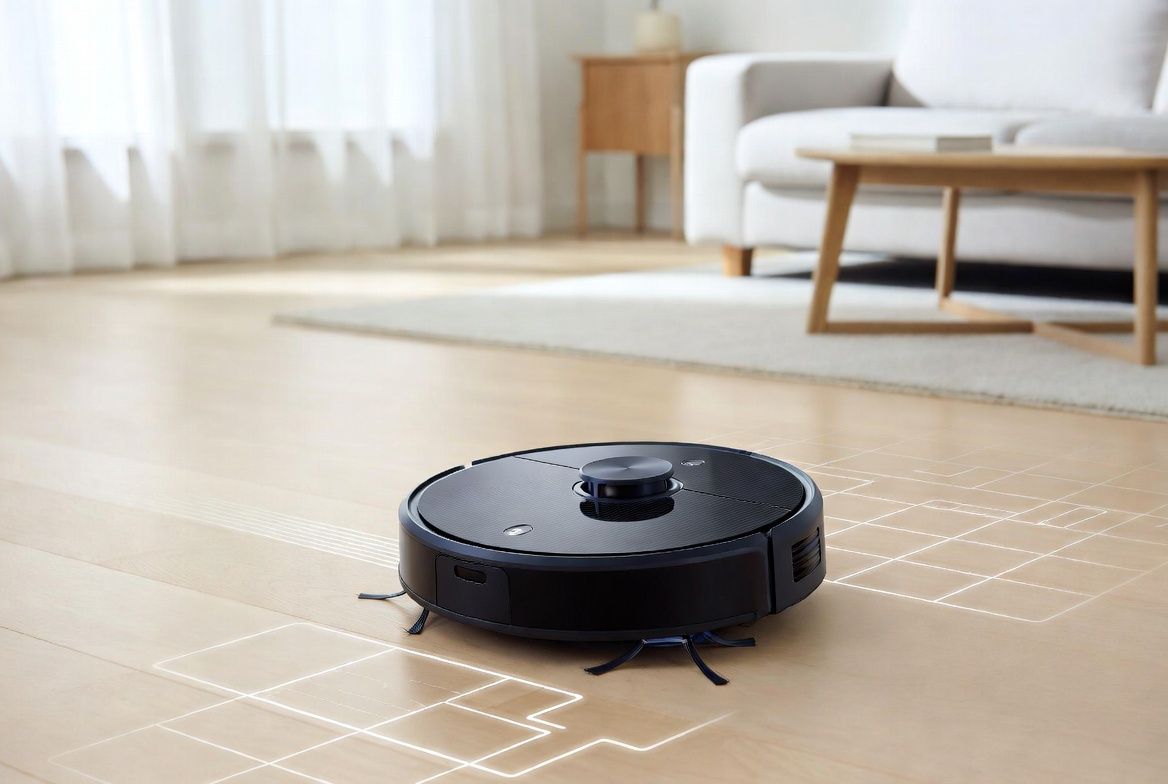
Choosing between an app-enabled and non-app model depends on how the product will be used. A simple home with limited cleaning needs may not require advanced controls, while larger homes often benefit from mapping and scheduling features.
For buyers in retail, wholesale, or private label, the key is to match the feature set to the target customer. A budget audience often values simplicity, while premium buyers expect intelligent control, stronger automation, and multi-room accuracy.
| Buyer need | Better option | Why |
|---|---|---|
| Simple daily cleaning | Non-app model | Easy operation, fewer setup steps. |
| Large or complex home | App-enabled model | Better mapping and room control. |
| Smart-home users | App-enabled model | Works better with connected devices. |
| Rental or shared use | Non-app model | Easier for different users to operate. |
| Premium retail positioning | App-enabled model | Adds value and modern appeal. |
The vacuum cleaner industry is moving toward smarter, lighter, and more versatile products. Cordless and lightweight models are gaining popularity because they are easier to use and better suited for small spaces and hard-to-reach areas.
At the same time, connected cleaning products are becoming more common. Many brands now combine stronger suction, app control, reusable parts, and better energy efficiency to meet user expectations for convenience and sustainability.
For manufacturers and brand owners, the app question is not only technical. It affects product positioning, cost structure, support requirements, and the perceived value of the final product.
A simpler model may be easier to launch at scale, while a connected model may create stronger differentiation in e-commerce and retail channels. In OEM and ODM development, the right choice depends on target market, feature budget, compliance requirements, and after-sales strategy.
- Feature complexity affects development time.
- App integration increases product value, but also support needs.
- Simple models can reduce onboarding friction for end users.
- Premium models may justify higher margins through smarter functions.
- Clear positioning helps avoid overengineering.
A strong vacuum manufacturer should support both basic and advanced product strategies. That means offering stable production, engineering support, quality control, and flexible customization for different market segments.
For example, Ningbo Eyunhome Electric Technology Co., Ltd. provides upright, handheld, corded, and cordless vacuum solutions with OEM/ODM support, stable production, and after-sales service for global markets. This kind of supply capability helps brands choose the right control system without overcomplicating the product line.
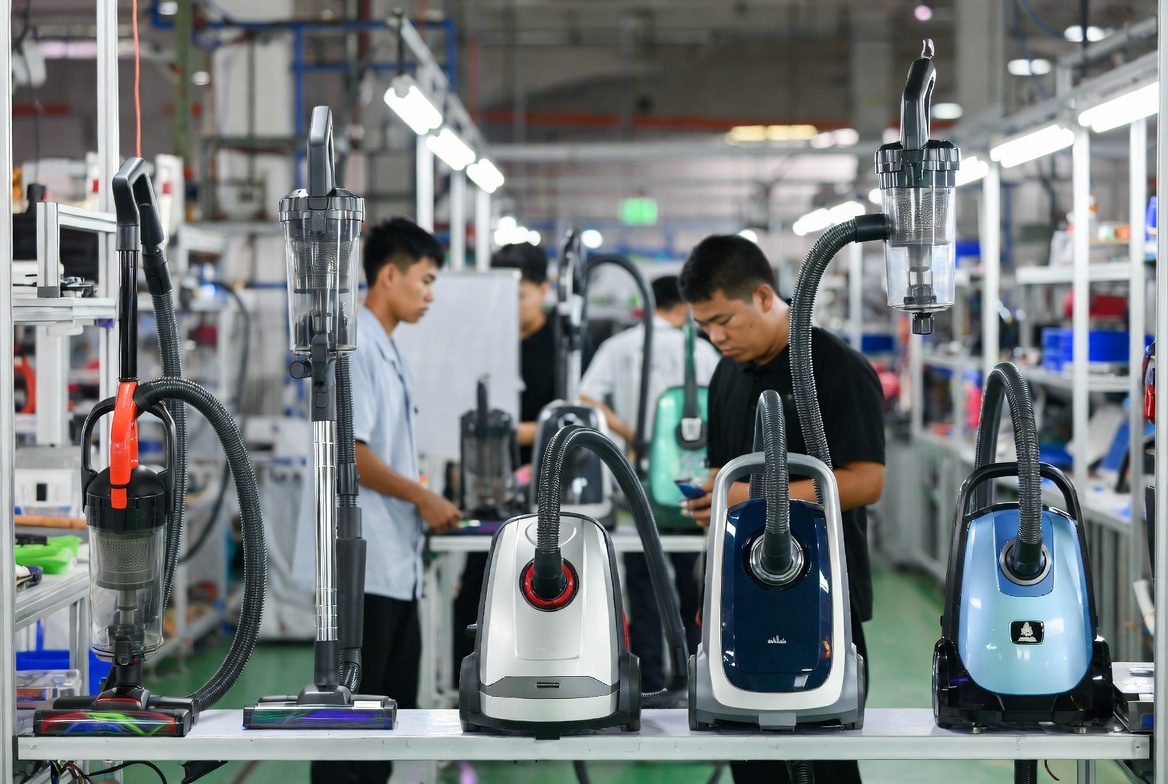
From a user-experience perspective, the best robot vacuum is not always the one with the most features. It is the one that matches the buyer's actual cleaning habits, home layout, and tolerance for setup complexity.
From a manufacturing perspective, app support should be treated as a product decision, not just a software feature. The right balance can improve satisfaction, reduce returns, and strengthen the brand's position in a crowded market.
So, do all robot vacuums require an app to function? No. Many can clean effectively without one, but app-connected models offer more control, smarter navigation, and a richer user experience.
For brands, retailers, and OEM buyers, the best strategy is to align the product with the target customer, then build the feature set around real usage needs. If your goal is to develop a vacuum line that balances usability, performance, and market appeal, a well-planned OEM/ODM approach can make the difference.
Yes. Many models can clean basic spaces without an app using onboard sensors and simple controls, but advanced room targeting and scheduling usually need app support.
Usually yes. They are often better for users who want one-button operation and do not need mapping or remote control.
No. Some can operate without Wi-Fi for basic cleaning, but Wi-Fi is typically needed for app features and remote management.
In most cases, yes. Detailed maps, room selection, and no-go zones are usually app-based functions.
They are best for larger homes, smart-home users, and buyers who want schedules, detailed maps, and more control over cleaning.
Because app support affects product value, customer expectations, and the level of after-sales support needed after launch.
1. Eureka US, "Do All Robot Vacuums Require an App to Function?"
[https://us.eureka.com/blogs/news/do-all-robot-vacuums-require-an-app-to-function] [us.eureka]
2. Pretty Care Life, "Evolving Landscape of the Vacuum Cleaner Industry: Trends & Innovations"
[https://prettycarelife.com/blogs/introduction-of-cordless-vacuum/the-evolving-landscape-of-the-vacuum-cleaner-industry-trends-and-innovations] [prettycarelife]
3. Vacuum Supplier, "Vacuum Cleaner OEM/ODM Manufacturing in China"
[https://vacuumsupplier.net/oem] [vacuumsupplier]
4. Eyunhome Vacuum company information snippet from search results. [eyunhome]


