
Views: 231 Author: Eyunhome Vacuum Publish Time: 2026-07-21 Origin: Site


Content Menu
● Daily Life With Handheld Vacuums
● How Stick Vacuums Fit Modern Cleaning Routines
● Ownership, Replacement Cycles and Repeat Purchases
● Why Stick Vacuums Inspire More Repeat Purchases
● Category Economics and Repeat Purchase Drivers
● Corded vs Cordless: Lifetime Value Considerations
● Comparative Table: Repeat Purchase Factors
● OEM/ODM: Designing for Repeat Purchases
● Choosing the Category With Higher Repeat Purchase Potential
● Which Product Has Higher Repeat Purchase Rates?
● FAQs
In today's compact, fast-paced living environments, vacuum cleaners are no longer simple utility products; they are long-term household investments that shape everyday cleaning habits. Among the many categories available, handheld vacuums and stick vacuums stand out as two of the most influential product types, each with a distinct impact on user satisfaction, brand loyalty, and repeat purchase rates.
For many families, professionals and small business owners, stick vacuums tend to become the primary floor-care tool, while handheld vacuums act as targeted helpers for quick, localized tasks. This difference in role has a direct effect on how often each product type is replaced, upgraded or repurchased over time, and why one category often drives more consistent repeat sales than the other.
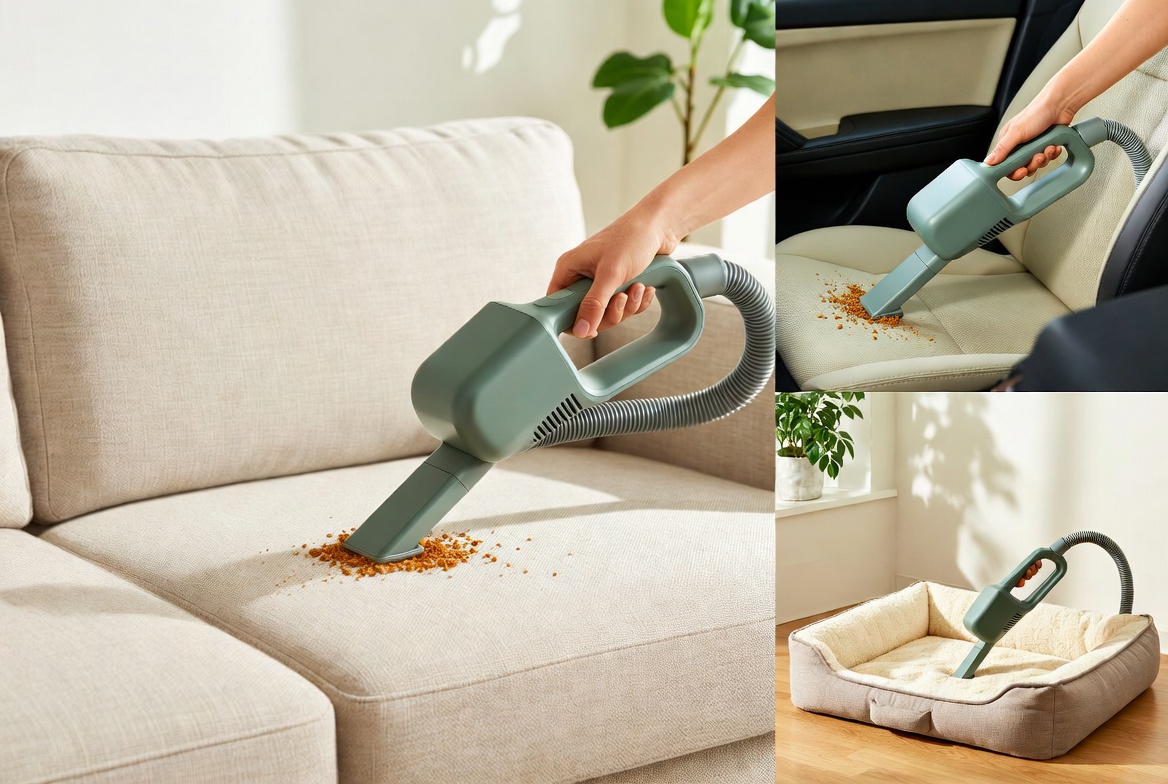
Handheld vacuums are usually chosen for precision cleaning rather than full-house coverage. Users reach for them when they need fast, focused cleaning without the effort of setting up a larger machine. In personal experience, a handheld unit often sits near the entrance, in a car trunk, or beside a sofa, always ready to handle small messes that do not justify a full cleaning session.
Common handheld use cases include:
- Removing crumbs from dining chairs, sofas and cushions.
- Cleaning car interiors, including floor mats, dashboards and trunk areas.
- Managing pet hair on beds, fabric surfaces and corners.
- Addressing small spills around desks, keyboards and workshop benches.
Because these tasks are brief and specific, many users perceive handheld vacuums as secondary tools. They appreciate the convenience, but they may not rely on them as the main solution for regular floor cleaning. As a result, replacement or upgrade decisions for handheld models are often delayed until the device fails, a new promotion appears, or a specific new need arises.

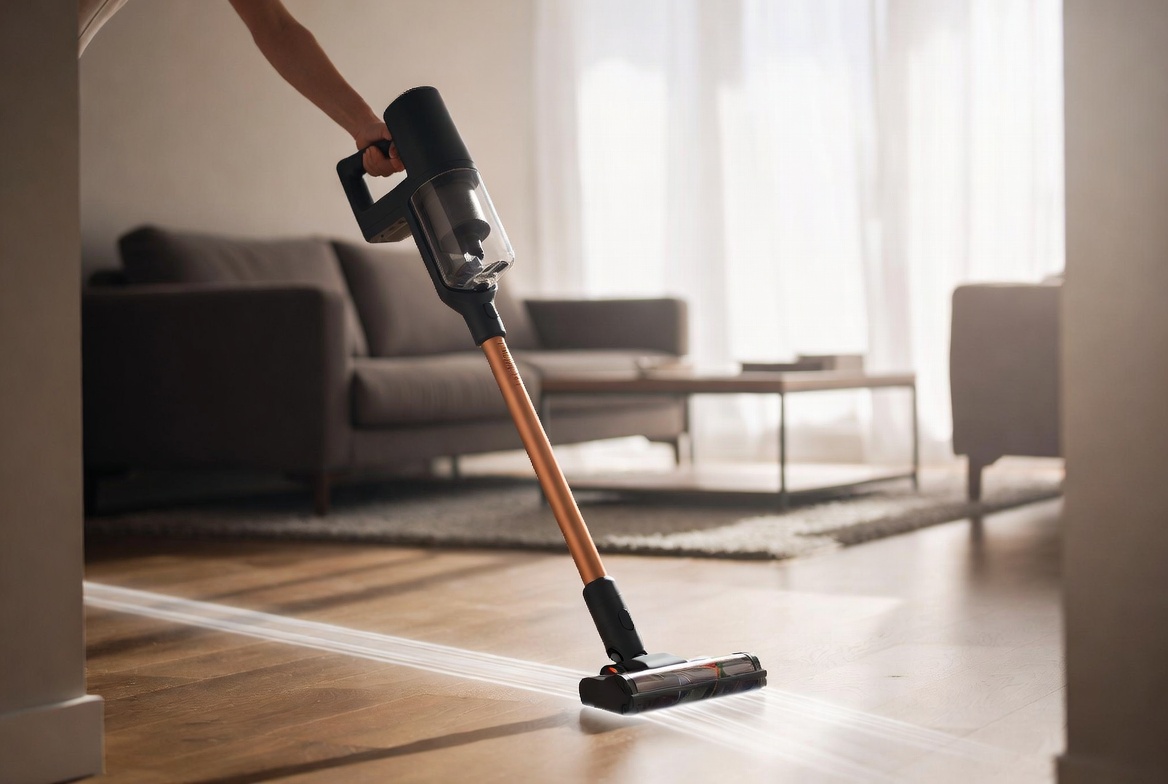
Stick vacuums have evolved from "lightweight extras" into central cleaning devices for many apartments, condos and smaller homes. Their slim form factor, upright handle and improved suction performance allow users to clean floors, rugs and low-pile carpets quickly and comfortably. In addition, many modern stick vacuums offer detachable bodies that operate like small handheld units, providing versatility within a single product.
Typical stick vacuum usage patterns include:
- Daily floor cleaning after cooking, family activities or pet playtime.
- Quick passes in high-traffic zones such as kitchens, hallways and living rooms.
- Regular maintenance of mixed surfaces, including hard floors and area rugs.
- Replacement of older, bulky uprights with lighter cordless models for easier storage.
Because stick vacuums often become the primary floor-care investment, users notice performance changes more quickly. When suction drops or battery runtime shortens, frustration builds, and this becomes a strong trigger for repeat purchases and upgrades.
Across many markets, users tend to replace their main vacuum cleaners only when they break or become noticeably inefficient. For handheld and stick vacuums, this behavior is shaped by how central the product is to daily cleaning. A device that is used to clean the entire floor area will naturally draw more attention when it starts underperforming, while a device used occasionally for spot cleaning can quietly lose efficiency without immediate action.
Key patterns often observed include:
- Households owning at least one handheld vacuum for cars, sofas and corners.
- Increasing adoption of stick vacuums as the default alternative to traditional uprights.
- Strong growth in handheld segments in regions where compact living and portable cleaning are common.
- Progressive shift toward cordless solutions in both handheld and stick categories.
When viewed through this lens, repeat purchase potential tends to be higher where the vacuum occupies a central role in the cleaning routine. Stick vacuums often fit this description, while handheld units support specific tasks and therefore follow a more opportunistic replacement pattern.
From an individual user's standpoint, repeat purchases reflect more than technical specifications; they reflect emotional responses to cleaning. A floor-care device that feels light, quiet and effective can transform cleaning from a chore into a manageable routine, while a noisy, heavy machine makes every session feel like a burden.
Several personal triggers commonly lead to new stick vacuum purchases:
- Perceived loss of suction, causing visible dust or debris after cleaning.
- Gradual reduction in battery life for cordless models, making it difficult to finish a full session on one charge.
- Desire for improved filtration when family members develop allergies or new pets join the household.
- Attraction to new designs, folding mechanisms and modular accessories that reduce physical effort.
In contrast, handheld vacuums are often tolerated even when their performance declines slightly, because they are used for short tasks rather than entire rooms. Users may postpone replacement until a promotion appears or until the device stops functioning entirely.
From a manufacturing and retail strategy viewpoint, repeat purchase rates are shaped by category positioning, margin structure and assortment planning. Handheld and stick vacuums behave differently in these areas, which explains why one category may lead to stronger long-term purchase cycles.
Important expert observations include:
- Stick vacuums often occupy mid-range to premium segments, where users expect innovation and are willing to upgrade for better performance, noise reduction or runtime.
- Retail assortments often build ecosystems around stick vacuums with compatible filters, batteries and accessories, encouraging continued purchases within the same brand.
- Handheld vacuums frequently appear at entry-level price points, making them attractive for bundle offers, gifts and seasonal campaigns.
- In many channels, handheld units generate broad but fragmented sales, with considerable cross-brand switching and less long-term loyalty to a single supplier.
This combination of economics and behavior means stick vacuums regularly drive structured repeat purchases along planned upgrade paths, while handheld vacuums contribute more to incremental and opportunistic sales across different brands.
The distinction between corded and cordless architecture significantly influences lifetime value and repeat purchase potential. Cordless solutions, in particular, rely on battery technology that naturally creates future upgrade opportunities.
Key patterns in user behavior include:
- Cordless stick vacuums with removable battery packs leading to additional sales of extra batteries and charging docks.
- Corded stick vacuums offering longer continuous runtime, yet still being replaced when ergonomics or expectations change.
- Cordless handheld vacuums often being replaced rather than repaired when battery performance declines, due to lower initial price.
- Commercial buyers evaluating runtime, charge cycles and maintenance costs carefully when planning procurement and replacement cycles.
Overall, cordless stick vacuums frequently sit at the center of ongoing upgrade cycles, whereas corded or lower-cost handheld units remain in use until a clear failure or a major change in user needs occurs.
Retail buyers responsible for vacuum cleaner categories look beyond basic suction when choosing assortments. Their aim is to build ranges that balance initial sales, long-term turnover and manageable return rates. In their experience, handheld and stick vacuums play complementary but unequal roles in driving repeat orders.
Retail buyers often focus on:
- Performance and suction power on hard floors and rugs.
- Battery life, charging options and runtime for cordless models.
- Weight, noise level and ease of storage in modern living spaces.
- Reliability, claims data and availability of parts and accessories.
Repeatedly, stick vacuums emerge as the anchor products in these assortments. They generate steady replacement sales, while handheld vacuums extend category coverage into cars, tight spaces and specific lifestyle needs.
| Factor | Handheld Vacuum Perspective | Stick Vacuum Perspective |
|---|---|---|
| Primary role in household | Secondary spot-cleaning tool for localized messes. | Main floor-cleaning device for daily routines. |
| Typical purchase motivation | Impulse, promotion or specific task needs. | Planned upgrade or replacement of main device. |
| Price positioning | Often entry to mid-range segments. | Mid to premium segments with feature tiers. |
| Replacement trigger | Physical damage or battery failure, less urgent. | Performance decline or new features, more urgent. |
| Brand loyalty tendency | Higher cross-brand switching. | Stronger ecosystem loyalty and accessory attachment. |
| Repeat purchase rate tendency | Moderate, tied to opportunistic buys. | Higher, tied to main device upgrade cycles. |
This comparison highlights why stick vacuums generally see higher repeat purchase rates within a stable brand or retail ecosystem, while handheld vacuums create breadth of coverage and incremental sales across different segments and channels.
A reliable manufacturer with strong OEM and ODM capabilities can shape repeat purchase behavior long before products reach store shelves. By understanding how users interact with handheld and stick vacuums over several years, manufacturers can design platforms that encourage satisfaction, upgrades and long-term partnerships with brands and retailers.
Key priorities for such manufacturers include:
- Building modular platforms that share motors, batteries and filters across handheld and stick models to simplify inventory and servicing.
- Ensuring durable components and consistent quality control so replacement cycles are driven by innovation rather than frequent failures.
- Offering flexible configurations across corded and cordless versions, power levels and accessory packages to match regional needs.
- Providing clear user guidance and documentation to reduce returns and increase perceived value over time.
With these elements in place, both handheld and stick vacuum lines can support sustainable category growth, but stick platforms usually become the central engines of repeat purchase due to their role in primary floor care.
For category managers, distributors and brand owners, choosing between handheld and stick vacuums is rarely an either-or decision. Instead, it is about selecting the mix that maximizes long-term value. The following practical checklist helps structure that decision:
1. Define the core cleaning scenarios in the target market (whole-home floor care vs spot cleaning).
2. Analyze current ownership patterns to see which devices already dominate households.
3. Map margin opportunities around each product type, focusing on accessories and consumables.
4. Review reliability data and claims history to prioritize robust platforms.
5. Design assortments where stick vacuums serve as anchor products, supported by handheld units that cover specific tasks and lifestyles.
By following this checklist, decision makers can build product portfolios that fully leverage the higher repeat purchase potential of stick vacuums without neglecting the incremental value of handheld vacuums.
When user behavior, product roles, category economics and long-term platform design are considered together, stick vacuums typically achieve higher repeat purchase rates than handheld vacuums. They become the main device for regular floor cleaning, and any decline in performance quickly pushes users toward replacement or upgrade.
Handheld vacuums remain essential companions for focused cleaning, cars and tight spaces, but their purchase cycles are more opportunistic and diverse. For brands, retailers and manufacturers, the most resilient strategy is to combine strong stick vacuum platforms with well-designed handheld lines, supported by reliable production and thoughtful differentiation. This combination helps sustain repeat purchases across both categories while keeping the cleaning experience fast, convenient and satisfying.
Q1: Are handheld vacuums better suited to automotive channels than stick vacuums?
Handheld vacuums are usually better matched to automotive channels because they are compact, portable and designed for tight spaces. They fit the car interior use case naturally, even though repeat purchases may involve switching brands as promotions change.
Q2: Do stick vacuums fully replace traditional upright models in most markets?
In many urban and compact-living markets, stick vacuums have taken a significant share from traditional uprights. Users value lighter weight, easier storage and cordless operation, which encourages gradual replacement of older upright units.
Q3: How does battery technology influence repeat purchase behavior?
Battery technology has a strong influence on repeat purchases. As new generations offer longer runtime, faster charging and lower noise, users feel motivated to upgrade both stick and handheld vacuums rather than continuing to use aging models with weaker batteries.
Q4: Are handheld vacuums more likely to be bought as gifts or promotional add-ons?
Yes, handheld vacuums are often included in gift campaigns, bundle offers and seasonal promotions. This drives incremental sales and spreads the category across different households, but the resulting repeat purchases may be distributed across multiple brands instead of concentrating on one.
Q5: What role do accessories play in strengthening long-term purchase patterns?
Accessories such as brushes, filters, extension tubes and replacement batteries reinforce the long-term use of both handheld and stick vacuums. When these accessories are well designed and easy to obtain, they support consistent use and encourage future upgrades within the same product platform.
1. YouGov – "How Americans use and replace their vacuum cleaners" (2025). https://yougov.com/en-us/articles/52206-how-americans-use-and-replace-their-vacuum-cleaners
2. Market.us News – "Vacuum Cleaner Statistics and Facts (2026)". https://www.news.market.us/vacuum-cleaner-statistics/
3. Strategic Market Research – "Handheld Vacuum Cleaner Market Report". https://www.strategicmarketresearch.com/market-report/handheld-vacuum-cleaner-market
4. Kaisor Research – "Vacuum Cleaner Market Size, Growth Industry Report, 2026–2035". https://www.kaisoresearch.com/report-store/vacuum-cleaner-market
5. Eyunhome – "Handheld Vacuum vs Stick Vacuum: What Do Retail Buyers Prefer in 2026?". https://www.eyunhome.net/handheld-vacuum-vs-stick-vacuum-what-do-retail-buyers-prefer-in-2026.html
6. Accio – "Trending Hand Vacuum Cleaners for Home 2026". https://www.accio.com/business/trending-hand-vacuum-cleaners-for-home-2026
7. Vacuum Doctor – "Vacuum Cleaner Trends 2026 | Smart, Cordless & Eco-Friendly Tech". https://www.vacuumdoctor.co.uk/blog/25-11-the-biggest-vacuum-cleaner-trends-for-2026.html
8. Consumer Reports – "Consumer Reports tests stick, hand vacuums to find best bang for your buck". https://www.youtube.com/watch?v=RmRM1L1HTEo
9. Yahoo Shopping – "Consumer Reports Names The Top Stick Vacuum For 2026". https://shopping.yahoo.com/articles/not-bissell-not-dyson-consumer-140000220.html
10. Consumer Reports – "9 Best Stick Vacuums of 2026, Lab-Tested and Reviewed". https://www.consumerreports.org/appliances/vacuum-cleaners/best-stick-vacuums-of-the-year-a1113185163/


