
Views: 233 Author: Eyunhome Vacuum Publish Time: 2026-08-04 Origin: Site


Content Menu
● Introduction: Why Maintenance Costs Matter
● Cordless Vacuum Maintenance Costs
● Corded Vacuum Maintenance Costs
>> Fewer Battery-Related Expenses
● What Drives Real Ownership Cost
● Industry View: What Manufacturers Should Plan For
● FAQ
>> 1. Which vacuum is cheaper to maintain?
>> 2. What is the most expensive cordless vacuum repair?
>> 3. How often should vacuum filters be replaced?
>> 4. Do cordless vacuums need more care?
>> 5. Are corded vacuums maintenance-free?
Choosing between a cordless vacuum and a corded vacuum is not just about convenience. Maintenance costs can change the real value of each machine over time, especially for homes, facilities, and buyers who clean often.

Many buyers compare suction, runtime, and price first, but long-term upkeep often decides the real winner. A vacuum that looks cheaper at checkout can become more expensive if it needs batteries, filters, or repairs more often.
For brands, distributors, and cleaning teams, this difference affects customer satisfaction and repeat purchase behavior. For end users, it affects daily use, frustration level, and total ownership cost.
Cordless models usually cost more to maintain because they depend on rechargeable batteries. Most battery-powered vacuums run for about 30 to 90 minutes per charge, and battery health naturally declines with use, charging habits, and temperature exposure.
The biggest cost item is often the battery. Lithium-ion vacuum batteries commonly last about 300 to 500 full charge cycles, and replacement becomes necessary once runtime drops or power weakens.
Battery replacement cost varies by model, but it is usually far more significant than routine cleaning. If a cordless vacuum is used daily, battery wear will appear faster than in occasional-use households.
Cordless vacuums often use washable filters, which helps reduce ongoing expense. Still, filters must be cleaned often, and replacement is usually needed every few months to keep airflow strong and protect the motor.
A clogged filter can reduce suction and make the battery work harder, which shortens runtime and may increase wear on the motor. That means simple cleaning habits can directly lower maintenance costs.
Charging behavior matters more in cordless models than many buyers realize. Overcharging, heat, deep discharge, and poor storage conditions can all shorten battery life and create extra cost later.
A cordless vacuum stored at moderate temperature and charged with the correct adapter will usually perform better over time. This is one reason well-designed OEM/ODM products need clear battery-use guidance in the user manual.
Corded vacuums usually have lower ongoing maintenance costs because they do not rely on a rechargeable battery. Once purchased, they often avoid the most expensive replacement part found in cordless models.
Because corded vacuums draw power directly from the outlet, there is no battery to replace, no charging cycle to manage, and no runtime decline caused by battery aging. That makes long-term ownership more predictable.
This is especially valuable for heavy-duty users who clean large areas regularly. Over several years, avoiding battery replacement can create a meaningful savings gap.
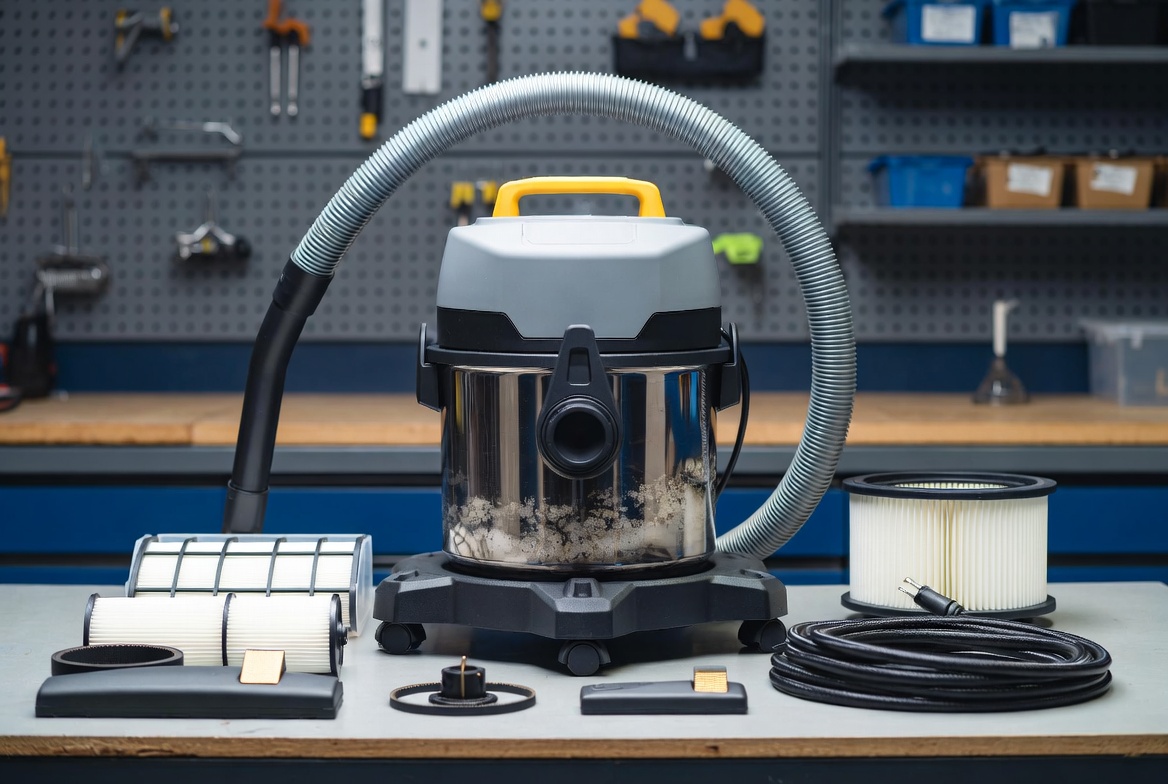
Corded vacuums can still require repairs, especially if they are used for deep cleaning on carpets or in commercial settings. Common issues include brush-roll wear, belt replacement, hose blockages, and motor servicing.
The good news is that these repairs are often more straightforward than battery replacement. In many cases, the parts are also less expensive and easier to diagnose.
If the corded model uses bags, the user must keep buying them. Bagless corded models avoid bag expense, but they still need filter cleaning and periodic replacement to maintain airflow.
So while corded vacuums usually win on battery-related cost, the final maintenance bill still depends on the design. A premium bagged model may cost more to own than a simple bagless one, even if both are corded.
| Cost Factor | Cordless Vacuum | Corded Vacuum |
|---|---|---|
| Battery replacement | Higher likelihood | None |
| Filter upkeep | Moderate | Moderate |
| Charging care | Required | Not needed |
| Runtime-related wear | Higher | Lower |
| Repair frequency | Moderate | Moderate |
| Long-term predictability | Lower | Higher |
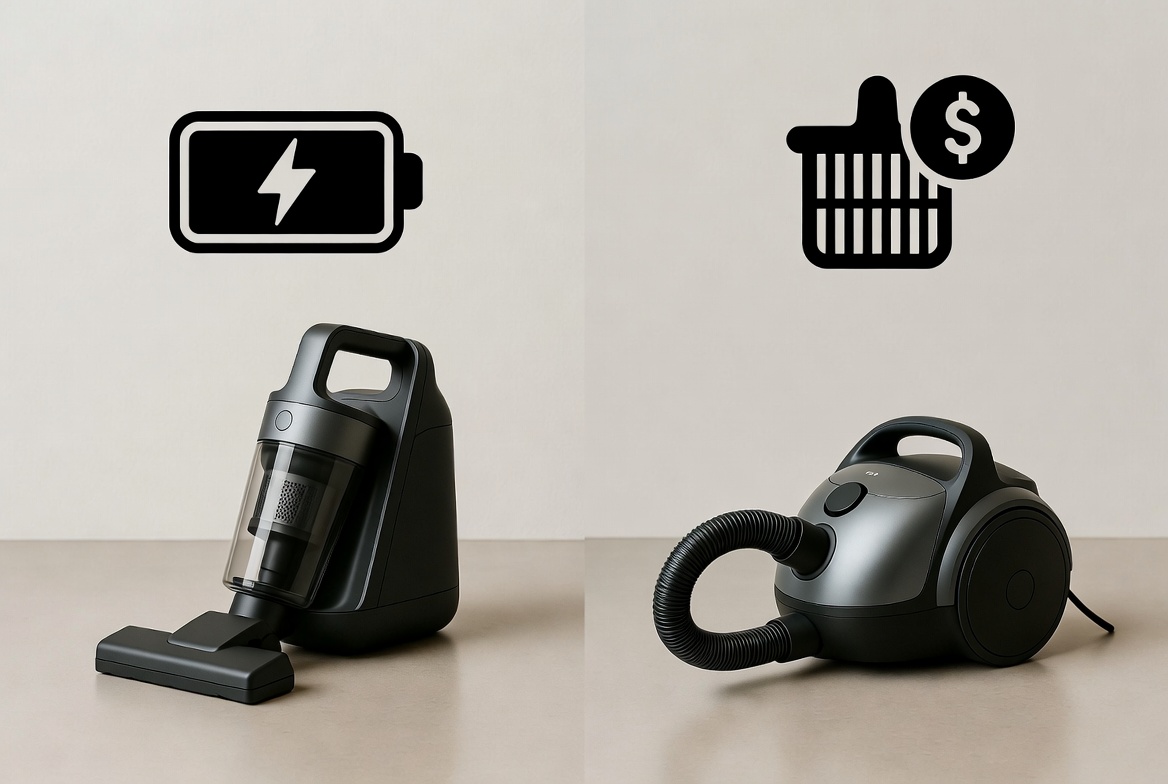
This table shows the main pattern clearly: cordless vacuums usually carry more battery-related expense, while corded vacuums usually stay cheaper to maintain over time.
The cheapest vacuum is not always the cheapest to own. Frequency of use, home size, flooring type, and cleaning intensity all affect maintenance costs more than many buyers expect.
For example, a small apartment user who vacuums lightly may spend very little on upkeep, even with a cordless model. But a family with pets, carpets, and daily cleaning needs may face faster filter wear and earlier battery replacement.
Commercial buyers should also consider uptime. A corded vacuum can be better for repeated daily cleaning because it avoids charging downtime and battery degradation. That can reduce service interruptions and improve workflow consistency.
From a manufacturing and OEM/ODM perspective, maintenance cost is a product-design issue, not just a consumer issue. Better battery management, washable filters, modular parts, and clear service access all lower the true cost of ownership.
For a supplier like Ningbo Eyunhome Electric Technology Co., Ltd., this means product planning should focus on durable motors, stable battery packs, easy-to-clean filtration, and dependable after-sales support. The goal is not only performance, but also lower lifecycle cost for buyers in global markets.
Products with simpler maintenance often create better reviews, fewer complaints, and stronger repeat demand. In export markets, that can be as important as suction power or design.
Use this checklist before choosing between cordless and corded cleaning systems:
1. Estimate how often you clean. Daily users usually care more about battery life and replacement cost.
2. Check the floor type. Carpets and pet hair may increase wear on brushes and filters.
3. Review replacement part access. Filters, batteries, and brush rolls should be easy to source.
4. Ask about expected battery cycles. Battery lifespan is a major cost driver in cordless models.
5. Compare service support. After-sales support can reduce repair delays and ownership frustration.
This approach is especially useful for buyers evaluating OEM/ODM vacuum options for retail, private label, or project supply.
If your priority is lower maintenance cost, the corded vacuum usually has the edge because it avoids battery replacement and charging-related wear.
If your priority is convenience, speed, and lighter everyday cleaning, a cordless vacuum can still be the better business or household choice, but buyers should budget for battery and filter upkeep.
A corded vacuum is usually cheaper to maintain because it does not need battery replacement.
Battery replacement is usually the biggest long-term cost for cordless models.
Many filters need replacement every 3 to 12 months, depending on use and filter type.
Yes. They need battery care, filter cleaning, and proper charging habits to keep costs down.
No. They still need filter cleaning, brush-roll care, and occasional repairs, but they avoid battery costs.
1. Dreame, "Cordless vs Corded Vacuums: Which is Right For You?" [https://www.dreametech.com/blogs/blog/choose-vacuum-cordless-corded] [dreametech]
2. "Repair vs Replace" [https://www.example.com/repair-vs-replace] [riccar]
3. "Maximizing Vacuum Cleaner Battery Life: Tips and …" [https://www.example.com/vacuum-battery-life] [rhybattery]
4. "Vacuum Battery Cheat-Sheet: Types, Care & Recycling" [https://www.example.com/vacuum-battery-cheatsheet] [xnjtg]
5. "Vacuum Cleaner Filter Replacement Cost - Blog" [https://www.example.com/vacuum-filter-replacement-cost] [discountfilters]
6. Ningbo Eyunhome Electric Technology Co., Ltd. supplier profile [https://sourcing.hktdc.com/en/Supplier-Store/Home/Ningbo-Eyunhome-Electric-Technology-Co-Ltd-/1S00O5ADN] [sourcing.hktdc]


